

Surah Alam Nashrah (Ash-Sharh): Meaning and Lessons
We all know the feeling of a “heavy heart.” You wake up, and before your feet even hit the floor, a weight settles on your chest. Perhaps it is the pressure of a demanding career, the silent strain of a relationship, or the general “noise” of a world that never stops talking. This constriction—this tightness—is what the Arabic language calls Dayq. It feels like a cage. You struggle to breathe, to think, and to move forward.
If you are going through a period of stress, you are not alone. Many people recite Surah Alam Nashrah in such times, but its comfort is felt most when it is studied, not only recited.
This guide explains how these eight short verses offer a framework for patience and hope, with a Surah Alam Nashrah PDF section in Arabic, English and transliteration.
Table of Contents
The Historical Blueprint of Relief
To understand alam nashrah surah, we must look at its origin. It was revealed in Makkah during a time of extreme hostility. The Prophet Muhammad (peace be upon him) faced not just physical threats, but the psychological burden of a mission that seemed impossible to some.
Why the "Opening" Matters
The other name of this Surah, Ash-Sharh (or Inshirah), comes from the root sharaha, meaning to open up, expand or make spacious.
When you feel overwhelmed, your internal “space” shrinks. You lose perspective. The revelation of this Surah served as a divine reassurance that the internal expansion required to carry the message would be provided. For us, it serves as a reminder that our internal capacity can be increased to match our external challenges.
A Verse-by-Verse Linguistic Deep Dive
The power of surah alam nashrah lies in its specific phrasing. Let’s break down the expertise behind these words.
1. The Expansion of the Chest (Alam nashrah laka sadrak)
The “chest” (Sadr) in Quranic usage is the seat of the heart and understanding. When Allah says, “Did We not expand for you your breast?”, it refers to opening the heart to guidance and relieving it of distress. Remembering this verse reminds the believer that Allah can make the heart wide enough to carry any difficulty.
2. The Removal of the Burden (Wa wada'na 'anka wizrak)
The word Wizra refers to a heavy load—specifically one that makes a sound as it weighs you down. Have you ever felt so stressed that your shoulders actually hurt? That is Wizra. This verse confirms that the spiritual weight we carry can be lifted through divine intervention.
3. The Elevation of Status (Wa rafa'na laka dhikrak)
When you are in the middle of a crisis, your reputation or your “mention” (Dhikr) often feels attacked. This verse promises that after the expansion and the lifting of the burden, comes a rise in status. It is a psychological progression: Internal Peace -> Relief from Stress -> External Success.
The Law of Coexistence: Hardship and Ease
Verses 5 and 6 are perhaps the most quoted in the entire Quran: “For indeed, with hardship [will be] ease. Indeed, with hardship [will be] ease.”
Not "After," but "With"
A common misunderstanding is that ease comes only after the hardship is over. But the Arabic word ma’a means “with”.
For example, during a financial loss the hardship is real, but some ease is often present at the same time: support from family, lessons learnt, a new direction. This is a subtle but important shift in perspective.
Practical Surah Alam Nashrah Benefits
While many approach these verses solely for spiritual reward, the practical surah alam nashrah benefits are backed by the lived experience of millions.
1. Mental Clarity and Focus
If you are a student or a professional, reciting alam nashrah surah helps “clear the cache” of your mind. By focusing on the rhythmic “Ha” sounds at the end of the verses, you engage in a form of breathwork that lowers the heart rate.
2. Confidence in Public Speaking
Many find that the “expansion of the chest” correlates directly with a stronger voice. If you feel “choked up” by anxiety, these verses help release that tension.
3. Resilience in Grief
During times of loss, the heart feels physically tight. Practitioners use these verses to invite a sense of “spaciousness,” allowing them to process grief without being crushed by it.
Accessing the Surah Alam Nashrah PDF
In our digital age, accessibility is vital. Keep a surah alam nashrah pdf on your phone’s home screen.
Why use a PDF version?
Offline Access: When you are traveling or in areas with poor signal, your spiritual tools should remain available.
Study Tool: A PDF allows you to zoom in on the Arabic script, aiding in correct pronunciation for those using the surah alam nashrah english transliteration.
Translation Reference: Having a surah alam nashrah english translation pdf allows you to reflect on the meaning during your commute.
Downloads: Arabic PDF · English translation PDF · Transliteration PDF
Surah Alam Nashrah with Urdu Translation: Cultural Context
For Urdu speakers, the emotional weight of these verses is often felt most in the Surah Alam Nashrah with Urdu translation.
“Kya Hum ne aap ki khatir aap ka seena kushaada nahi kar diya?”
The word kushaada suggests vastness, like an open field: a heart that has room for patience and peace.
Transliteration for Non-Arabic Speakers
If you are not fluent in Arabic script, the surah alam nashrah english transliteration is your best friend. Accuracy matters, as the “H” sounds in this Surah are “deep” breaths from the throat, which provide the physiological calming effect mentioned earlier.
Alam nashrah laka sadrak
Wa wada’na ‘anka wizrak
Alladhee anqada zahrak
Wa rafa’na laka dhikrak
Fa inna ma’al ‘usri yusra
Inna ma’al ‘usri yusra
Fa idha faraghta fainsab
Wa ila rabbika farghab
Final Thoughts: Your Invitation to Breathe
The world will always try to constrict you. It will present you with deadlines, debts, and doubts. But you have a tool that can expand your heart to a size that makes those problems look small. Download the surah alam nashrah pdf and make it a part of your digital “first aid kit.” Read the surah alam nashrah english translation pdf when your mind feels cluttered. Recite the surah alam nashrah with urdu translation when your emotions feel heavy.
What is the main message of Surah Alam Nashrah?
How can I get a Surah Alam Nashrah PDF?
Is Surah Alam Nashrah helpful for exams?
More To Explore

3rd Kalma (Kalma Tamjeed): Arabic, Meaning in English and Urdu
3rd Kalma (Kalma Tamjeed): Arabic, Meaning in English and Urdu The 3rd Kalma, also called Kalma Tamjeed (“the word of glorification”), is سُبْحَانَ ٱللّٰهِ وَٱلْحَمْدُ
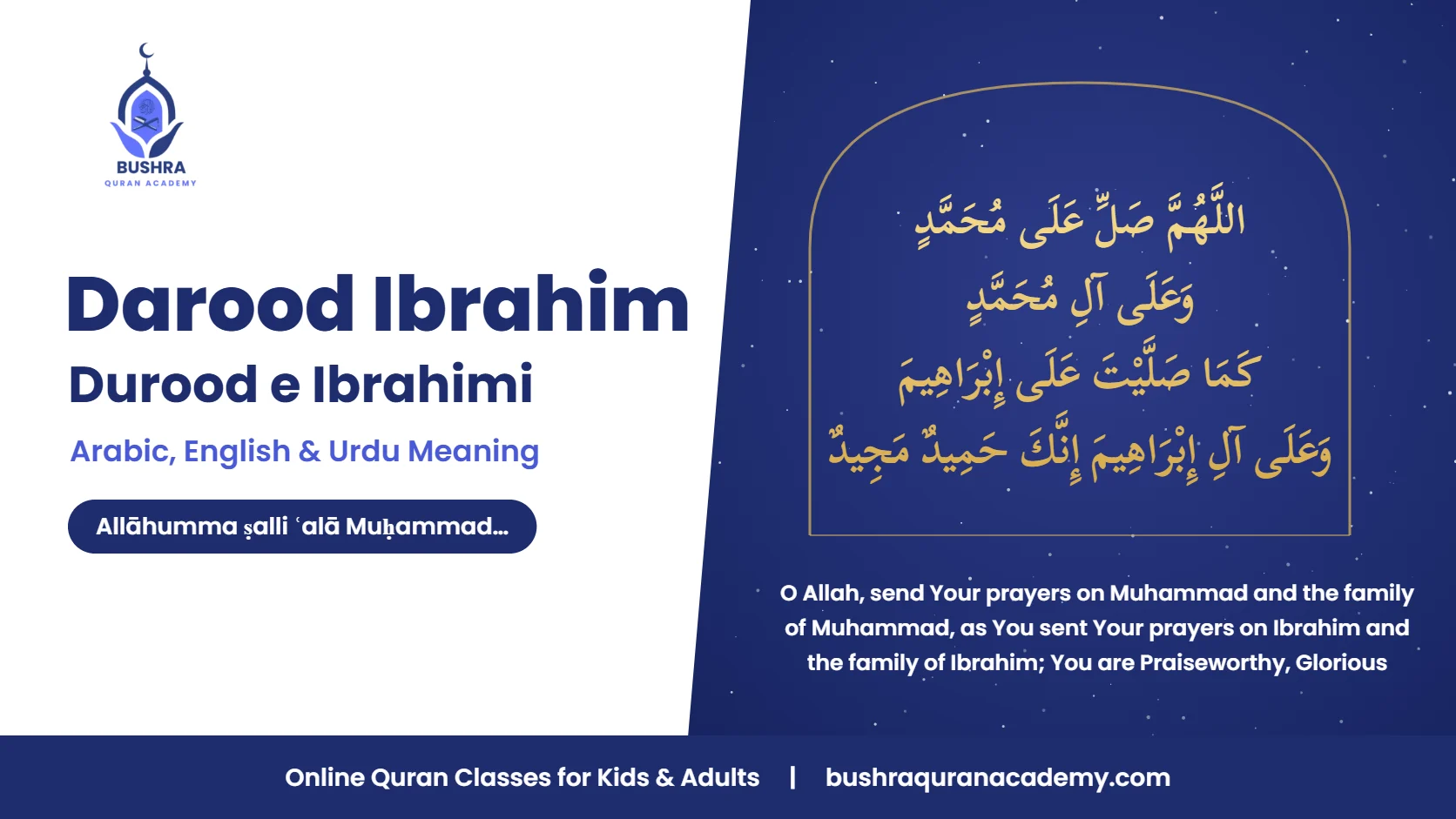
Darood Ibrahim (Durood e Ibrahimi): Arabic, English and Urdu Meaning
Darood Ibrahim (Durood e Ibrahimi): Arabic, English and Urdu Meaning Darood Ibrahim (Durood e Ibrahimi, also called aṣ-Ṣalāt al-Ibrāhīmiyyah) is the salawat the Prophet ﷺ
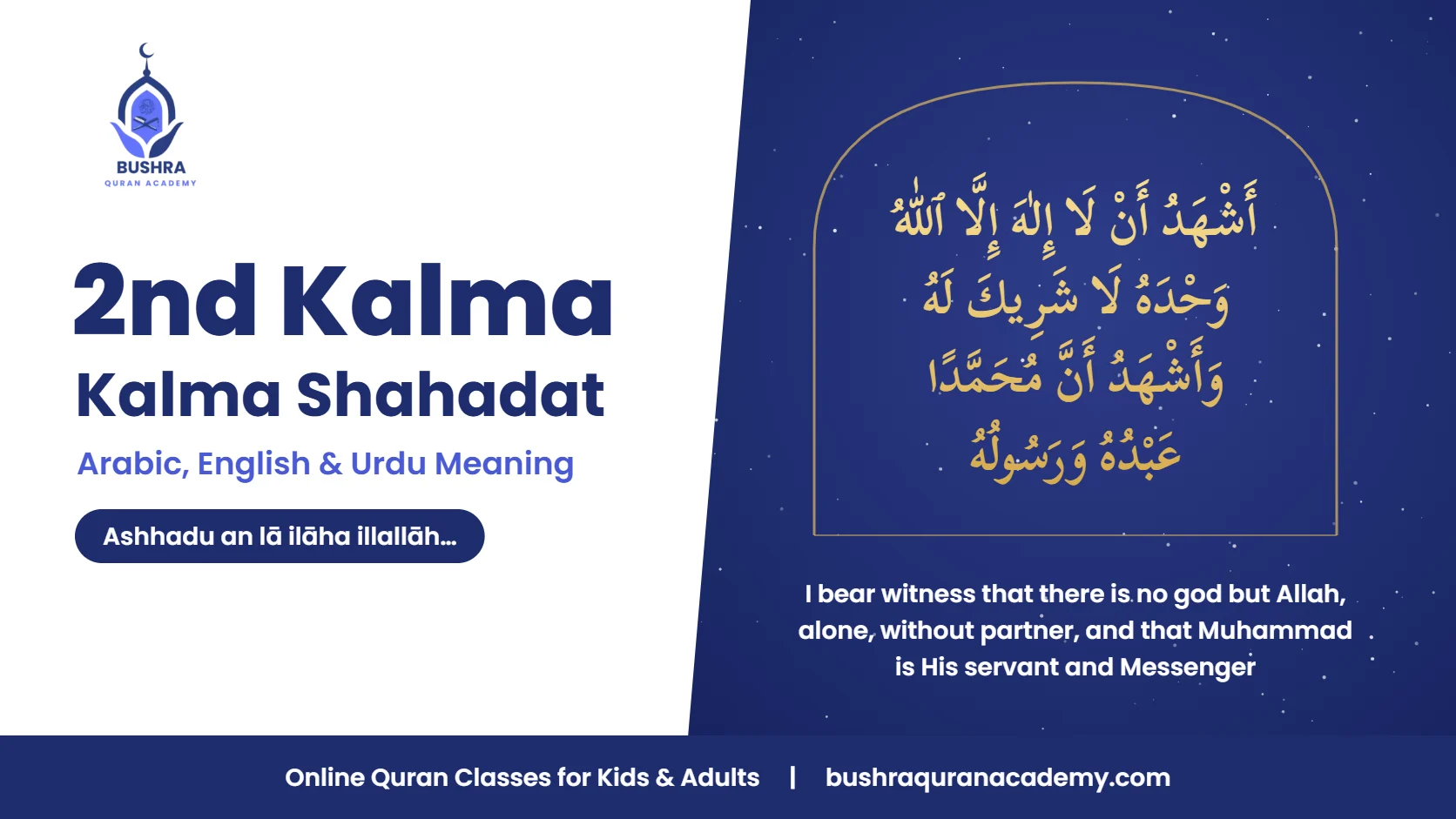
2nd Kalma (Kalma Shahadat): Arabic, Meaning in English and Urdu
2nd Kalma (Kalma Shahadat): Arabic, Meaning in English and Urdu The 2nd Kalma, also called Kalma Shahadat (“the word of testimony”), is أَشْهَدُ أَنْ لَا
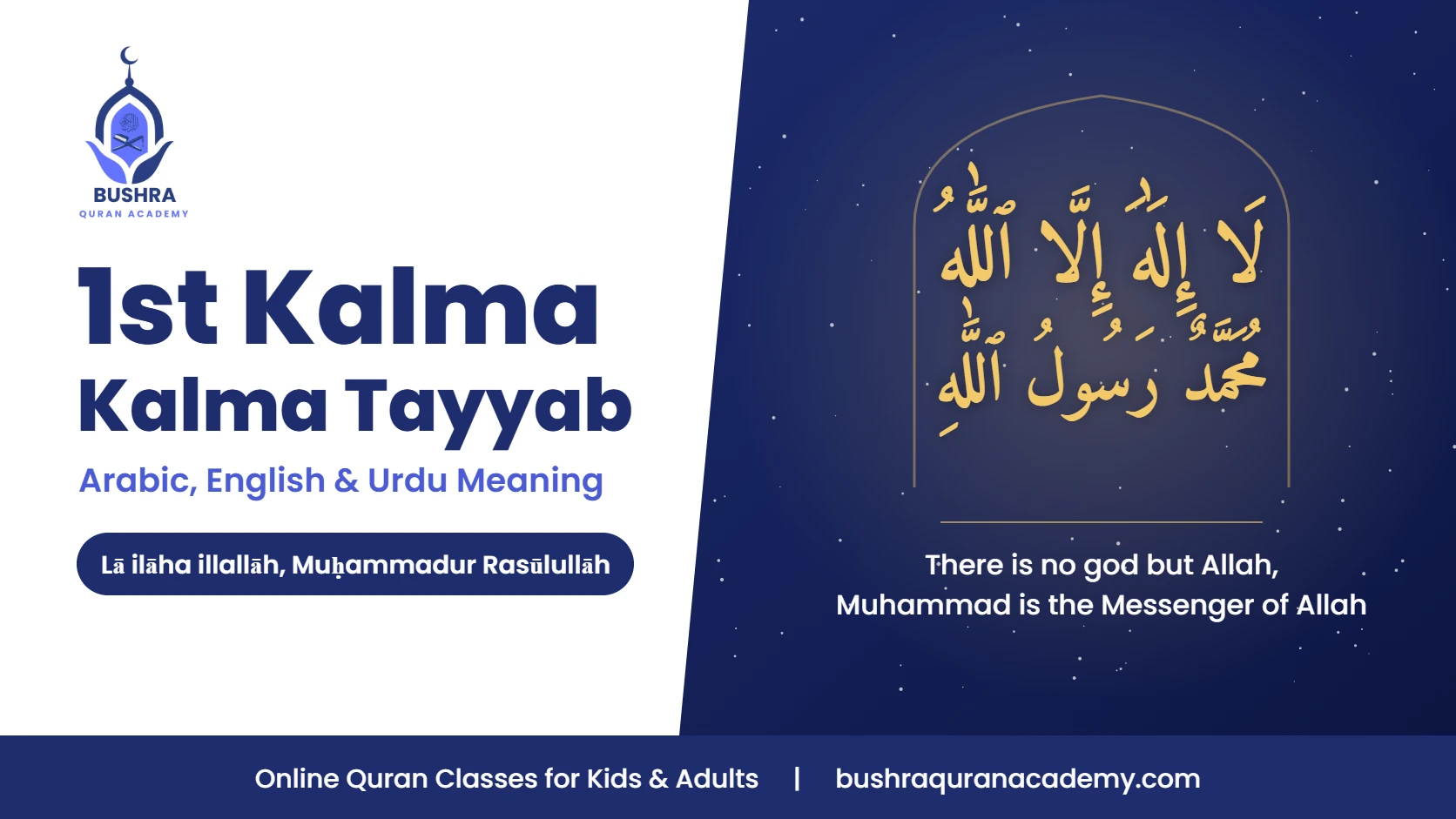
1st Kalma (Kalma Tayyab): Arabic, Meaning in English and Urdu
1st Kalma (Kalma Tayyab): Arabic, Meaning in English and Urdu The 1st Kalma, also called Kalma Tayyab (Kalimah Tayyibah, “the pure word”), is لَا إِلَٰهَ

Shab e Miraj 2027: Date, Meaning and the Story of Isra and Miraj
Shab e Miraj 2027 (27 Rajab 1448) is expected on the night of 4 or 5 January 2027. Date by country, the story of Isra and Miraj, and how Muslims mark the night.

12 Rabi ul Awal 2026: When Is 12 Rabi ul Awal 2026?
When is 12 Rabi ul Awal 2026? Pakistan will observe 12 Rabi ul Awal 1448 AH on Wednesday, 26 August 2026, following its official moon-sighting decision. Other countries and Islamic calendars may observe it on 25 or 26 August depending on their calendar method.
Register Now For Online Quran
Courses
Contact us for any questions or queries, and fill out the form below to request a free trial.
We are available 24/7 for support and services
